
Pool Tile Cleaning & Calcium Removal
Stubborn white calcium lines and hard-water buildup can make a well-kept pool look neglected. Our WaterBlaster system takes it off — without replacing the tile.
It isn’t dirt. That’s why scrubbing stops working.
Over time, minerals in your pool water accumulate along the waterline and leave a white, gray or chalky layer on the tile. Southern California’s hard water makes it happen faster than most owners expect.
Once those deposits harden, they stop behaving like dirt and start behaving like rock. Brushing, chemicals and routine maintenance can slow it down, but they generally will not take hardened scale back off — and attacking it with a wire brush or the wrong acid can permanently etch the tile and strip the glaze.
That’s the point where a pool that’s actually well maintained starts to look like one that isn’t.
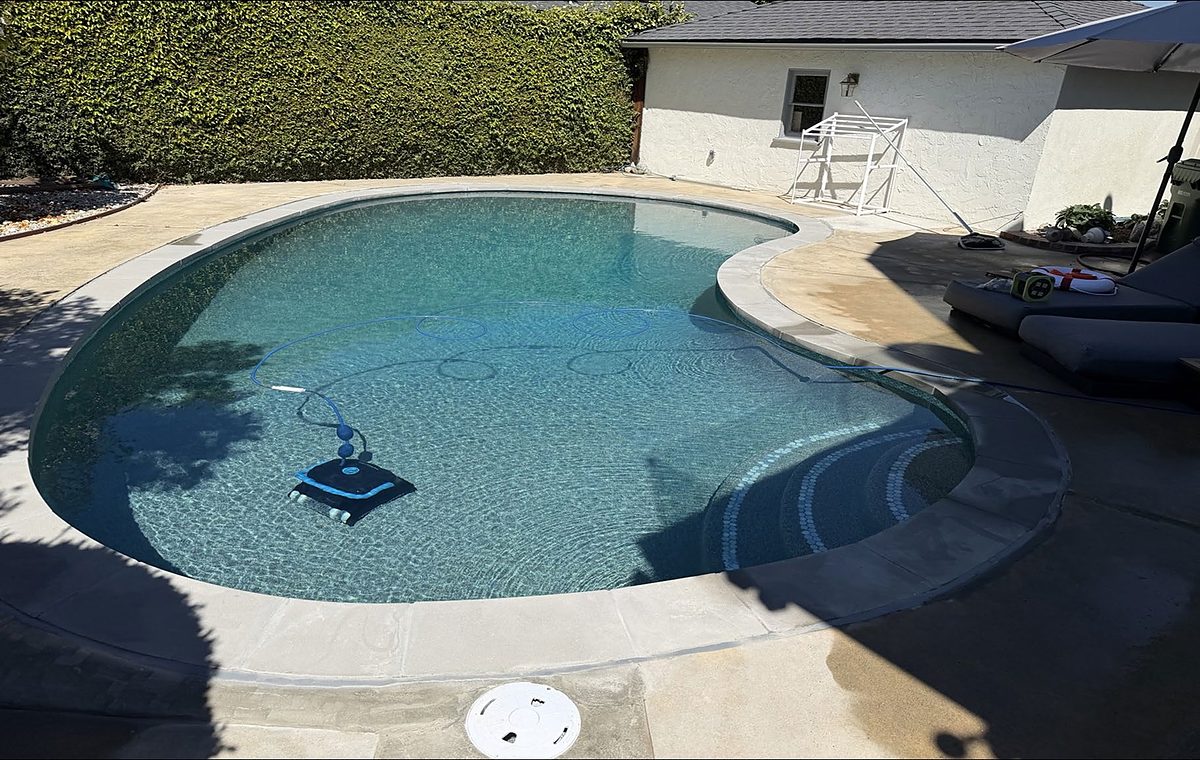
Surfaces the WaterBlaster handles
Our specialized cleaning system tackles buildup that ordinary brushing, chemicals and routine pool maintenance often cannot remove.
Stone and masonry vary widely in hardness and finish, so we assess those surfaces during the inspection and confirm the right approach — or tell you plainly if blasting isn’t the right call for your material.
What professional tile cleaning gets you
Removes hardened buildup
Calcium and mineral scale that brushing and chemicals leave behind comes off.
Restores the original color
Tile that looked permanently stained usually turns out to have been fine underneath.
Reaches what service can’t
Cleans the band of tile that weekly maintenance is never going to fully recover.
Lifts the whole pool
The waterline is the first thing anyone looks at. Cleaning it changes how the entire pool reads.
Cheaper than replacing tile
Retiling means demolition, new tile and refinishing. Cleaning saves tile that’s still perfectly good.
Advice on keeping it off
We’ll tell you what’s driving the buildup in your water so it comes back slower.
How a tile cleaning goes
Six steps, start to finish. No mystery about what happens in your backyard.
We inspect your pool
We evaluate the tile, the surface material and how severe the buildup is, then determine the right cleaning method for it.
Prepare the waterline
The pool water is lowered as necessary to expose the band being cleaned. A full drain is not usually required.
WaterBlaster cleaning
Professional equipment removes calcium, scale and mineral deposits from the tile surface without damaging the glaze.
Detailed cleanup
The work area and the pool are cleaned up and prepared for normal operation before we leave.
Final inspection
We walk the finished tile with you and give recommendations to help slow future calcium buildup.
Back in service
Water level restored, chemistry balanced, and your pool back in service the same day in most cases.
Add it to your regular service.
If ASJEM already maintains your pool, tile cleaning can be added as a specialty service alongside your normal maintenance — no need to schedule around a separate company.
Contact the office and send a few photos of your tile line, and we’ll come back with an estimate.
Send photos for an estimate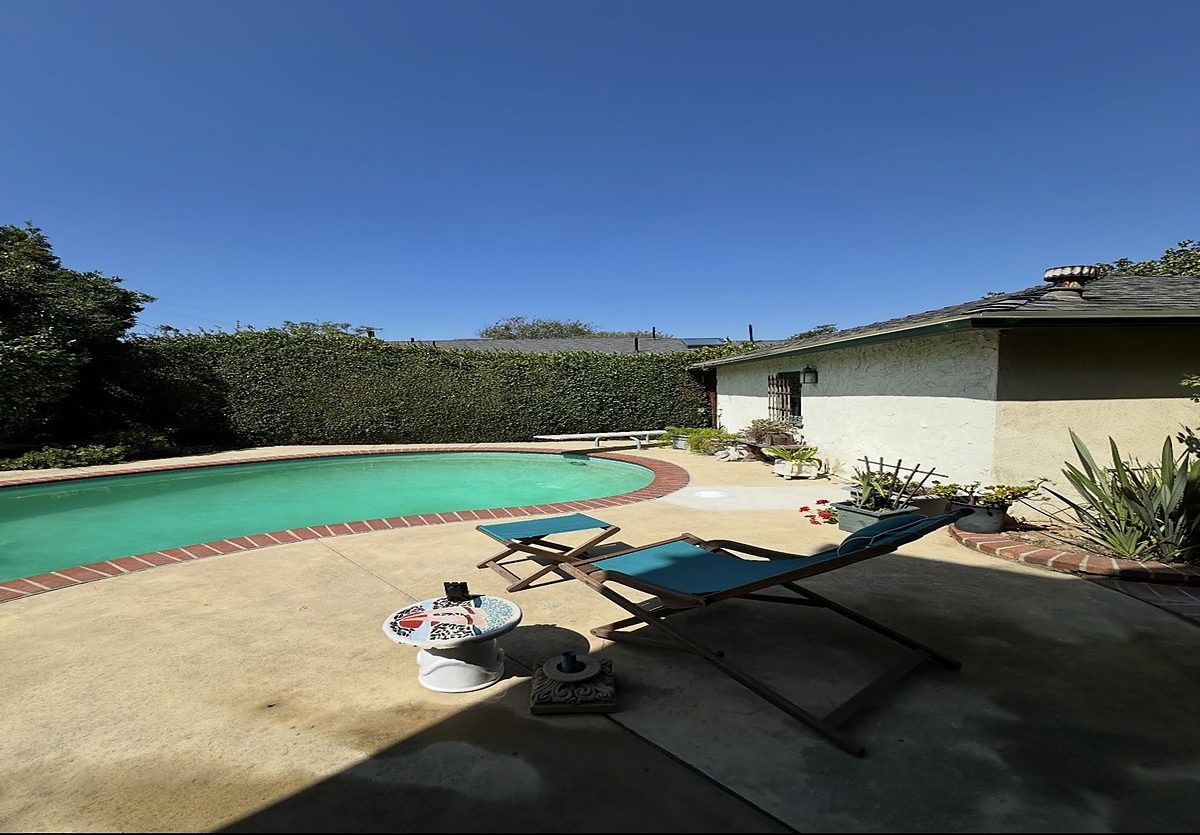
Tile cleaning, answered
What causes the white line on my pool tile?
Minerals in the pool water — mostly calcium — build up along the waterline and harden into a white, gray or chalky layer. Southern California’s hard water makes it happen faster. Once the deposits harden, normal brushing is usually no longer enough.
Can’t I just scrub it off myself?
Light buildup sometimes responds to brushing. Hardened scale does not — and going at it with a wire brush or the wrong acid can etch the tile, damage grout and strip the glaze permanently. That damage is not reversible, and it turns a cleaning job into a retiling job.
Does my pool have to be drained?
Not fully. We lower the water enough to expose the band of tile being cleaned, then bring it back up afterward. A complete drain is not usually required.
Will it damage my tile?
Not when it’s done correctly. We inspect the tile and surface material first and match the method to it — which is exactly why we don’t quote this over the phone without seeing photos. On stone and some masonry we’ll tell you plainly if blasting isn’t the right call.
Is cleaning cheaper than replacing the tile?
Almost always. Replacing waterline tile means demolition, new tile, grout and refinishing. Cleaning restores tile that’s still structurally sound, which is the case for most pools with heavy calcium buildup.
How long does it take?
Most residential pools are a same-day job. How long depends on the size of the pool and how heavy the buildup is — we’ll give you a realistic window with your estimate rather than a guess.
How do I stop it from coming back?
You can’t stop it entirely with hard water, but you can slow it a lot with the right water chemistry. After a cleaning we’ll tell you what’s driving buildup in your particular pool — and if we’re handling your weekly service, we manage it for you.
Got calcium buildup around your pool?
Send us a few photos of your tile line and we’ll tell you whether WaterBlaster cleaning is right for your pool — and what it would cost. Estimates are free.